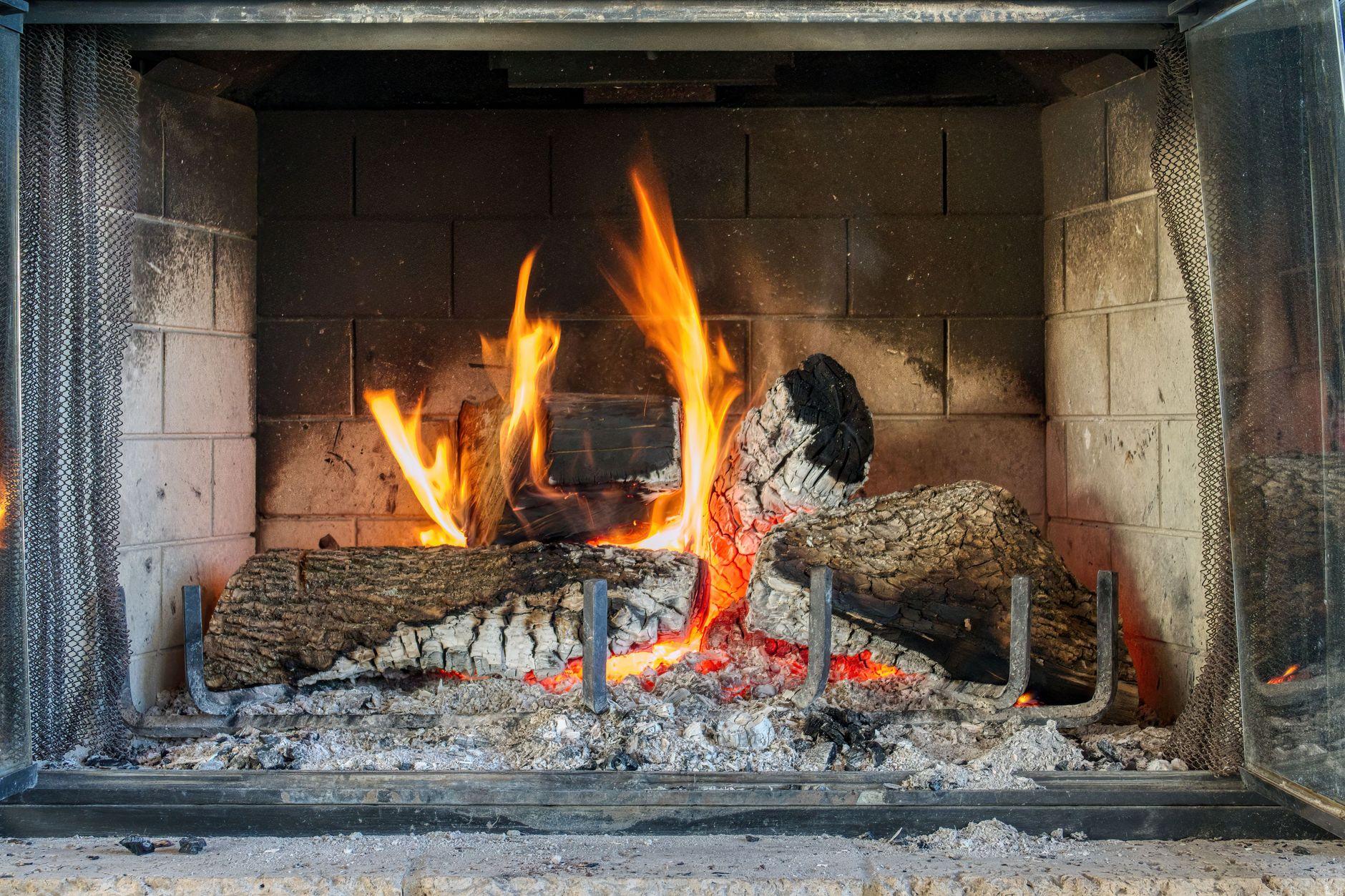
A fireplace in a listing photo says nothing about the flue behind it. The firebox can be swept clean, the mantel freshly painted, and the clay tiles three feet up split from top to bottom. For a house in Bell Gardens with a brick chimney, the purchase is the one moment when finding that out costs the buyer only the price of a scan.
This post is for buyers and the agents working with them: what our Level 2 flue scan sees, how it sits next to the general home inspection, who receives the report, and what Thorne Chimney Sweep charges for it.
Where the home inspection stops
A general home inspector judges the fireplace from the room and the chimney from the roof or the yard. That takes in the firebox, the damper handle, the hearth, the crown if it can be reached and the outside of the brick. It does not take in the inside of the flue past the reach of a flashlight. Most home inspection reports say so in plain terms and send the buyer to a chimney specialist. That sentence is the cue to book us.
The gap is no fault of the home inspector. A general inspection covers the whole house in one visit; a flue scan is a separate job with its own gear, and it takes the time a narrow clay pipe needs.
What the camera finds in older chimneys
Our camera travels up the flue from the firebox to the top with its own light while we watch and record. On older brick chimneys around Bell Gardens, these are the findings that most often change a purchase.
Split tiles. A vertical crack in a clay tile, often left by a chimney fire the seller may never have known about. On screen it is a dark line, sometimes with soot forced through it.
Shifted tiles. One tile out of line with the next, a step in the picture, usually from ground movement over the decades.
Open joints. Gaps between tiles where the mortar has gone, letting heat reach the brick.
A flue wrong for its appliance. Gas logs or an insert set into a big wood flue with nothing sized to them. The camera shows condensation stains and soft, crumbling mortar.
Blockage. Nests, fallen pieces of tile or debris piled on the smoke shelf.
Each finding is saved as a numbered frame and placed by its height above the firebox, so a buyer can match the words to the picture.
Why the standard asks for the camera at a sale
NFPA 211, the standard chimney inspections are measured against, describes three depths of inspection. The middle one, Level 2, is the one it ties to a change of owner, along with moments like switching fuel or adding a new appliance. Seen from the buyer's side, the reasoning is plain: you are taking on a flue with no record of how hard it was burned, how often it was cleaned or what was patched, and only the camera reaches the part that matters.
Who the report belongs to
Our report goes to whoever paid for the scan. If that is you, the buyer, you choose whether your agent, the seller or the listing agent sees it, and we copy nobody on our own. Sellers who book their own scan before listing hold theirs in the same way. The home sale inspection page lays out how copies usually travel between the parties.
Fitting it inside the contingency
The inspection contingency in the purchase contract is the window in which a buyer can ask for repairs or a credit. A chimney problem raised after that window has closed is yours to pay for. Line the flue scan up alongside the general inspection so both reports reach you while the window is still open. Our page for buyer's agents explains how we plan around the contingency date.
What the purchase scan costs
| Visit | Price at Thorne |
|---|---|
| Flue camera scan for a purchase, with report and frames | $380 |
| Firebox and roof check only, no camera | $53 |
Each fireplace normally has its own flue inside the stack, so a house with two gets two scans and two pages in the report. Logs or gas, the fee does not change; only what we look for does.
If the house you are buying has a fireplace, book the purchase scan and give us the names for the report. Add the contingency date so we can plan the visit around it.
When the scan finds damage
The report puts a figure beside every finding: a printed range where we have one, a written quote where we do not. A missing or rusted cap is quoted after we measure the flue. Leak tracing and repair runs $545 to $3,250. Where the flue or firebox is past reuse for wood, a gas insert with its own liner runs $2,700 to $5,450. Liners, crowns and rebuild work get a written figure after the visit; our flue liner cost post explains why.
With figures in hand, the buyer's agent can ask the seller for a repair, a credit or a lower price, and both sides argue from the same sheet. If the seller agrees to repair before closing, ask for the finished work to be scanned again so the buyer sees the result rather than an invoice.
Areas we cover for purchases
We scan flues for buyers in Bell Gardens, Lynwood, Norwalk and Los Angeles. Details of the scan itself are on the Level 2 inspection page. Tell us the address and the contingency date on our contact page, and we will set the scan up so the report reaches you while it can still change the deal.
See Your Own Flue on Camera
Thorne runs a camera up the chimney, shows you each tile joint and liner seam, and writes up what the flue needs before any price is set. Crews work from Bell Gardens across Lynwood, Norwalk, the City of Los Angeles and the wider county.