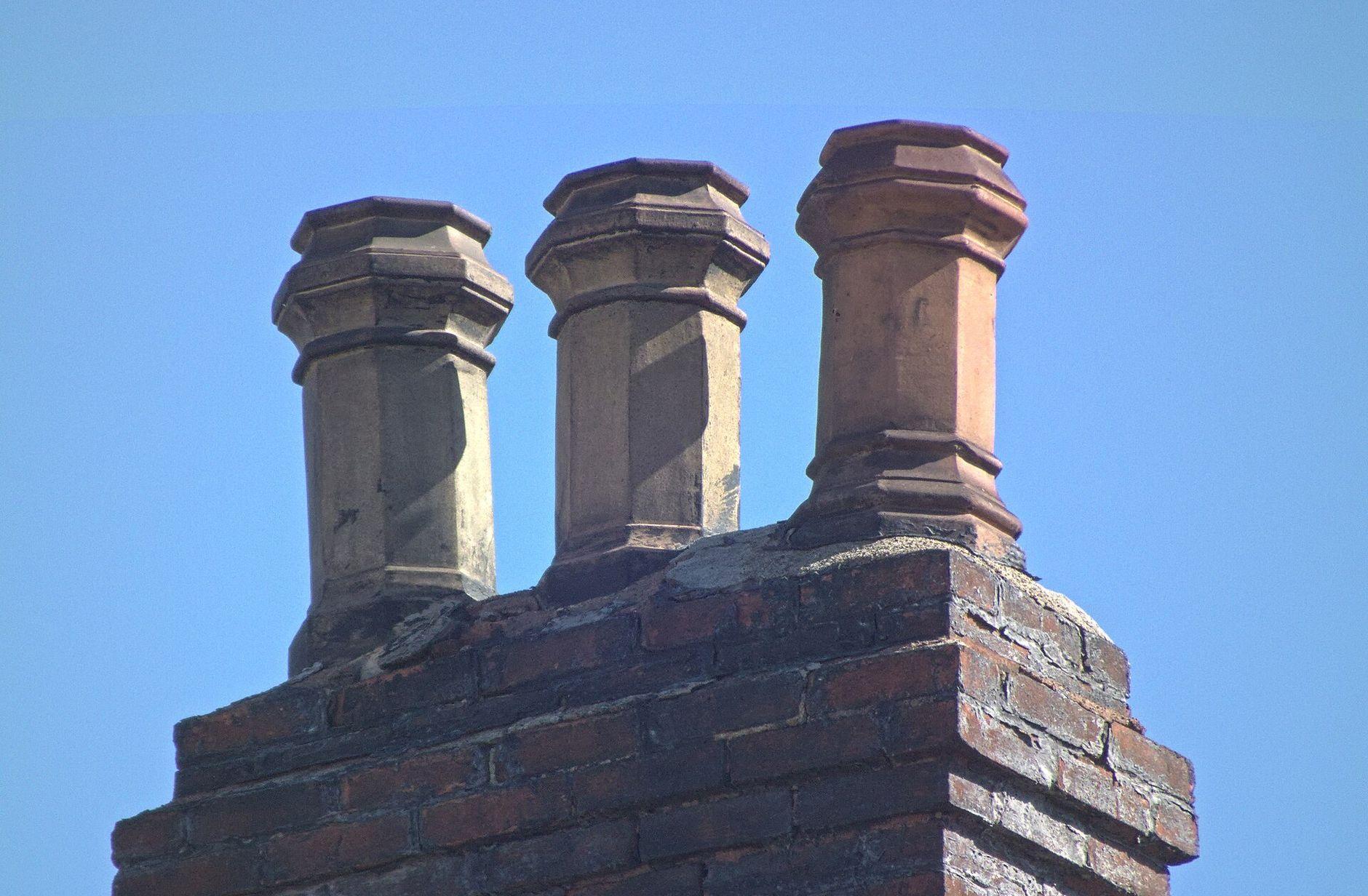
Some chimneys in Bell Gardens fail on two fronts at once. The camera finds split clay tiles inside the flue, and up on the roof the brick above the shingles has open joints, a crack across the stack or a lean you can spot from the sidewalk. The owner then has a choice between relining the flue, rebuilding the stack, or both. This post sets out how Thorne Chimney Sweep makes that call and what sits behind each price.
Two jobs, two failures
A liner and a stack do different work. The liner keeps heat and exhaust inside a sealed path. The brick holds that liner up and keeps the weather off it. A new stainless liner solves the first job and does nothing for the second. A rebuilt top solves the second and does nothing for cracked tiles further down.
So the real question is never liner against rebuild in general. It is which of the two failures this particular chimney has, and how far down each one runs.
Reading the footage
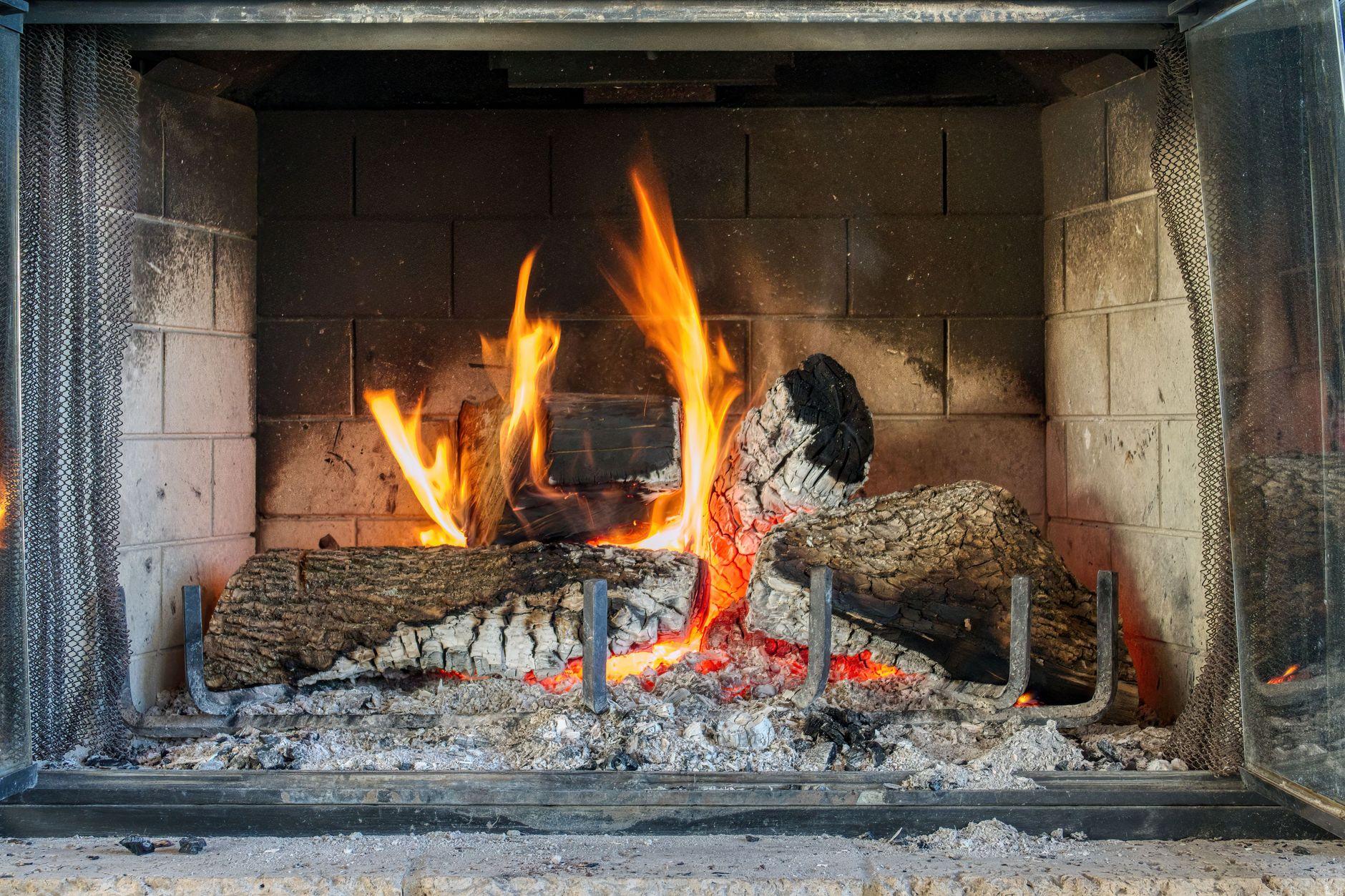
From inside the flue, the camera shows where the damage sits, and the location says a lot about the cause.
Cracks low in the flue, just above the smoke chamber, usually come from heat: a chimney fire, or years of hard fires in a narrow flue.
Offsets and gaps near the roofline usually come from movement, the stack rocking against the house in a quake.
Damage at both heights means both causes are in play.
When the offsets line up with a crack we can see from outside, the brick at that height has moved. A liner fitted alone would then hang inside a stack that is still loose. We record it all, and the report sets each frame from inside beside a roof photo taken at the same height, so you can see the two match.
Reading the roof
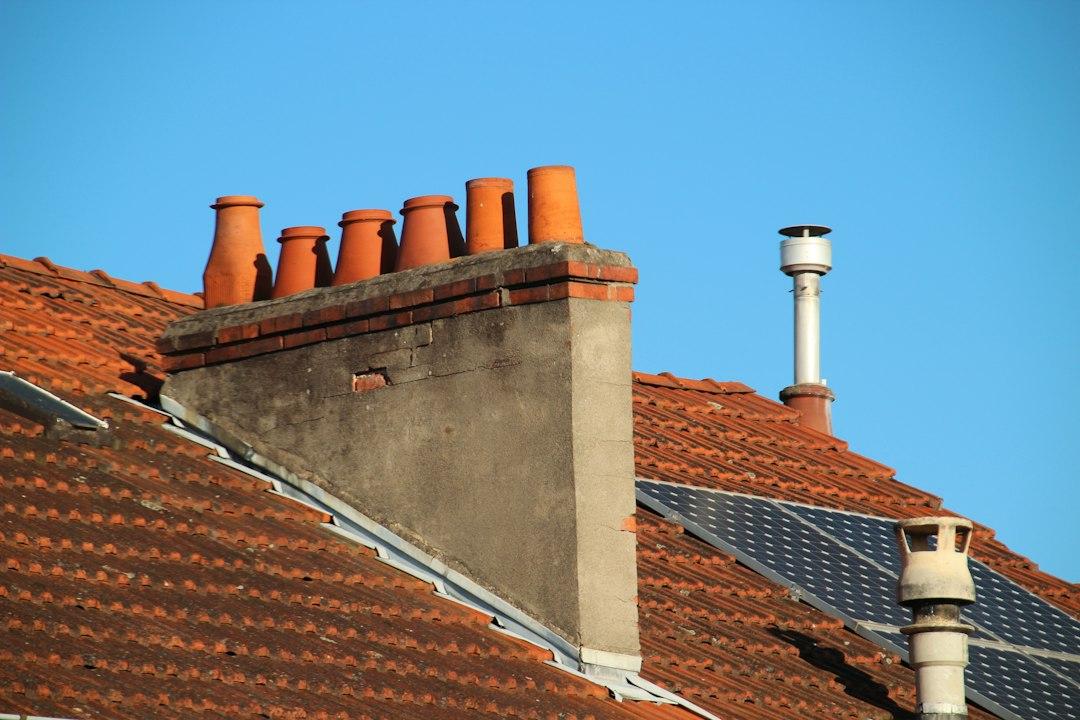
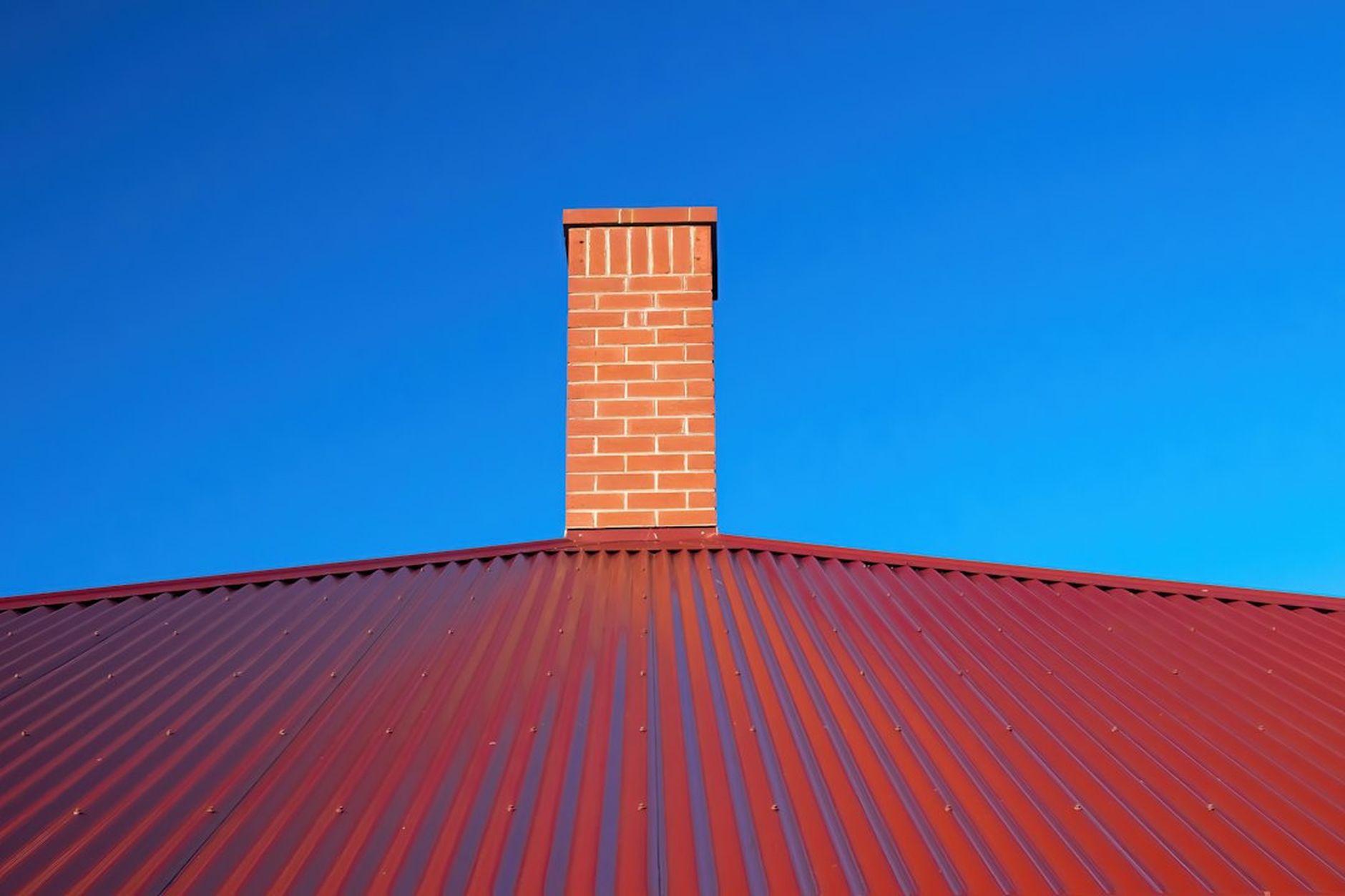
On the roof we look at the brick above the flashing. Mortar that crumbles under a fingernail, bricks that rock when pressed, a crown broken into pieces, a gap opening between the stack and the siding: each one points toward rebuild work. In this part of Los Angeles County many chimneys were patched after the 1987 Whittier Narrows quake or the 1994 quake, and mortar of a different colour often marks exactly where.
The three paths
Reline only. Brick sound, tiles failed. A stainless liner sized to the appliance, a new top plate and a cap. Usually the least costly path.
Repoint and reline. The brick is still in place but the joints have opened, and the tiles have failed too. The top courses are repointed or relaid, the crown is recast and the liner goes in. Two lines on one quote.
Rebuild from the roofline and reline. The brick above the roof has moved, cracked through or lost its mortar. We take the stack down to the roofline or below, rebuild it, and set the liner as the brick goes back up. Some owners choose a lighter top: fewer courses, or a framed chase with a metal cover instead of brick. We price the options next to each other.
Straps and bracing that tie the stack back to the framing can be added to any of the three where the chimney and the house allow. The seismic retrofit page describes those options.
What each path costs
None of the three has a printed price on this site. Rebuild height is counted in courses of brick and relines in feet of pipe, and both move with how far down the damage runs, so we put a written figure on each path once the camera and the roof check are done. What is fixed is the cost of finding out, along with a few items that often share the same quote:
| What | Price at Thorne |
|---|---|
| Flue camera scan with roof check and report | $380 |
| Firebox and roof look without the camera | $53 |
| Cricket to split runoff behind the stack | $435 to $980 |
| Cricket and fresh flashing all round | $655 to $1,600 |
| Cap and spark screen on the finished top | quoted after we measure |
Once the scan is done and you want both routes on paper, ask for the reline and rebuild figures side by side. Each path comes as its own written quote, so you can compare them line for line.
When gas changes the answer
If the fireplace already burns gas, or you would switch, the sums shift. A gas insert brings its own liner, so it replaces the reline line on the quote. Ours run $2,700 to $5,450 installed, liner included. The stack still has to be sound around it, so structural work stays where it is. The gas insert sizing post covers how we match an insert to the flue.
Which goes first
Structure, every time. A liner set inside a stack that comes down next year gets paid for twice. When both are needed we do the brickwork first and set the liner during or straight after it, then run the camera down the new liner before the cap goes on. The same order is laid out on our up to code repairs page, which deals with chimneys that have failed a Level 2.
Signs you are in rebuild territory
You cannot judge this from the yard with any certainty, but some signs make a rebuild more likely: a stack that visibly leans away from the house, bricks or mortar collecting in the gutter, a crack you can follow across several courses, or daylight between the chimney and the siding. Any of those means the fireplace should stay unlit until we have looked.
Getting both options priced
We work across Bell Gardens, Lynwood, Norwalk and the rest of our service areas. The chimney rebuilds and liner installation pages describe each job in more depth. When you want to see both routes on paper, start on our contact page.
See Your Own Flue on Camera
Thorne runs a camera up the chimney, shows you each tile joint and liner seam, and writes up what the flue needs before any price is set. Crews work from Bell Gardens across Lynwood, Norwalk, the City of Los Angeles and the wider county.