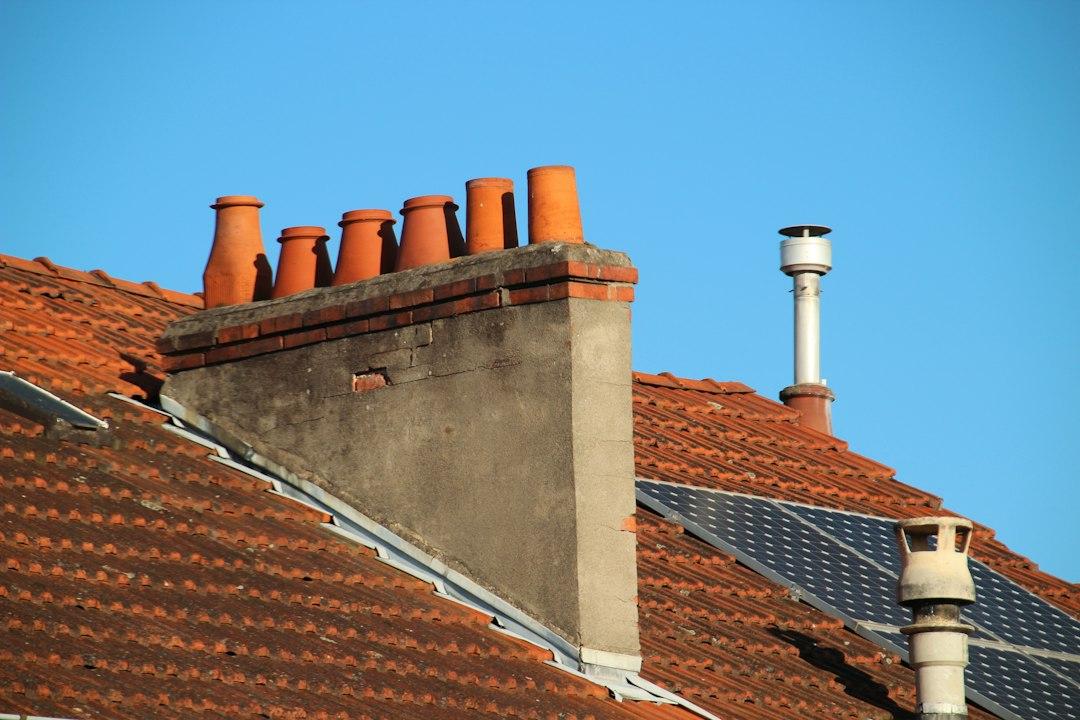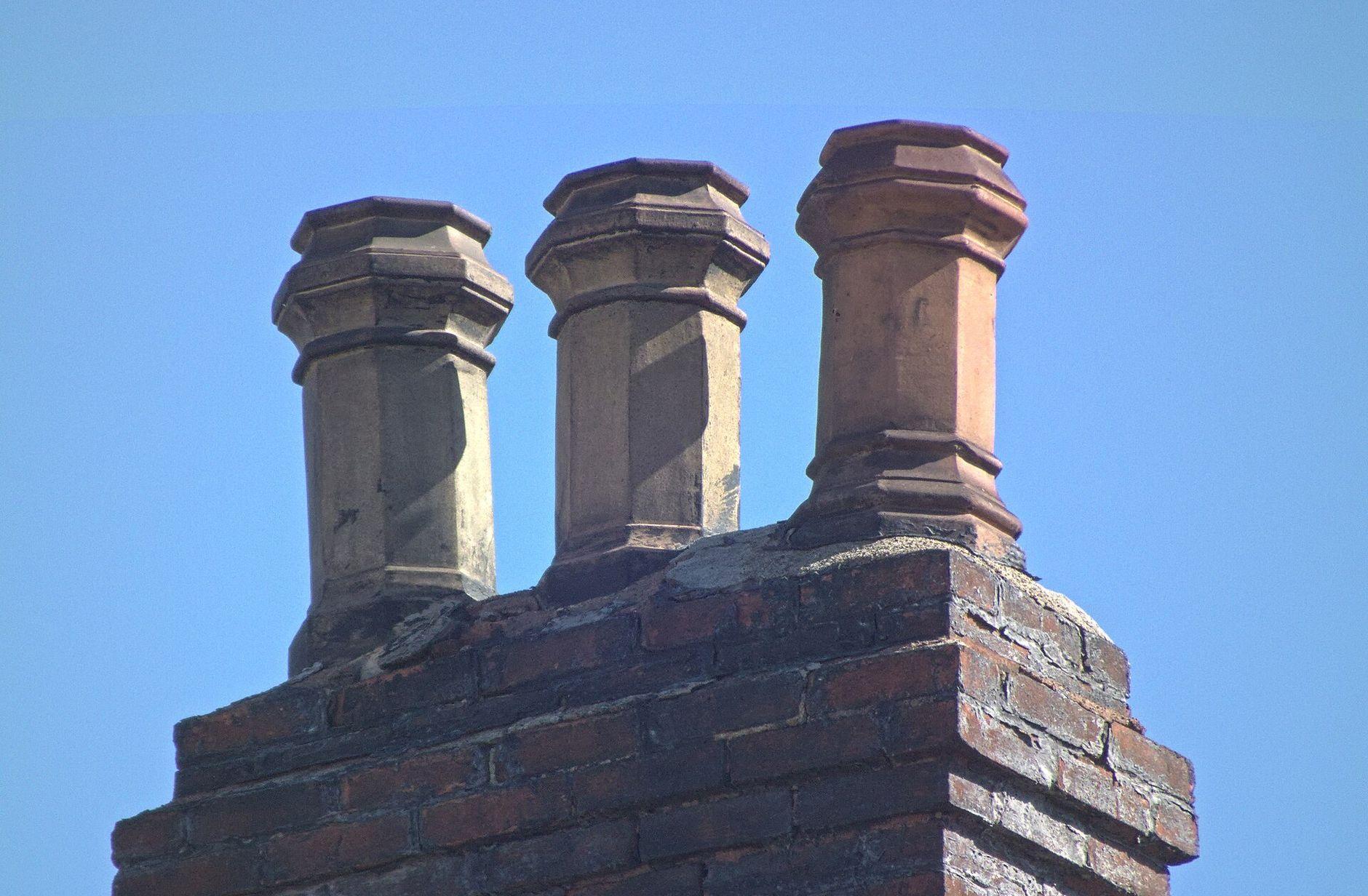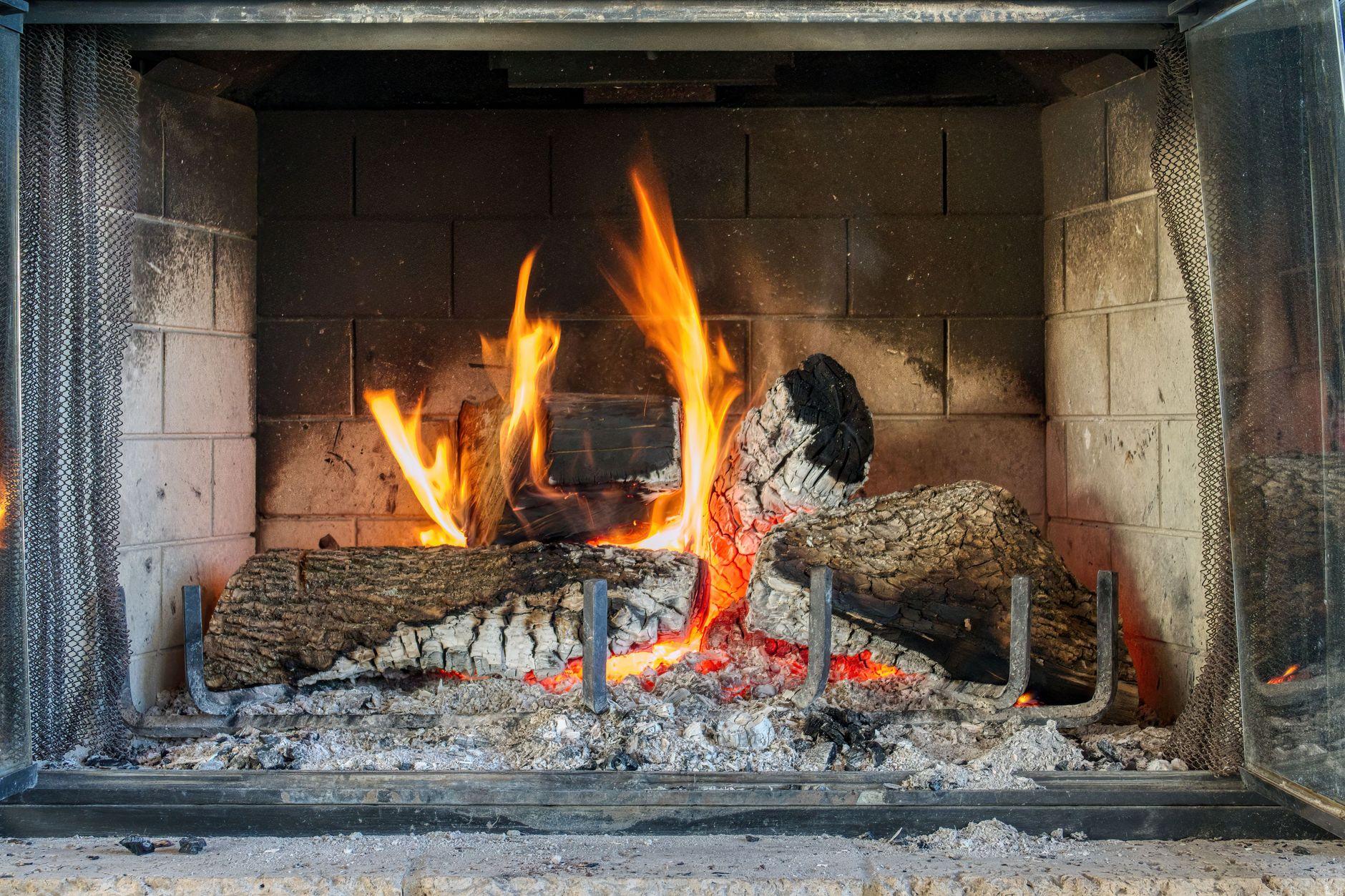

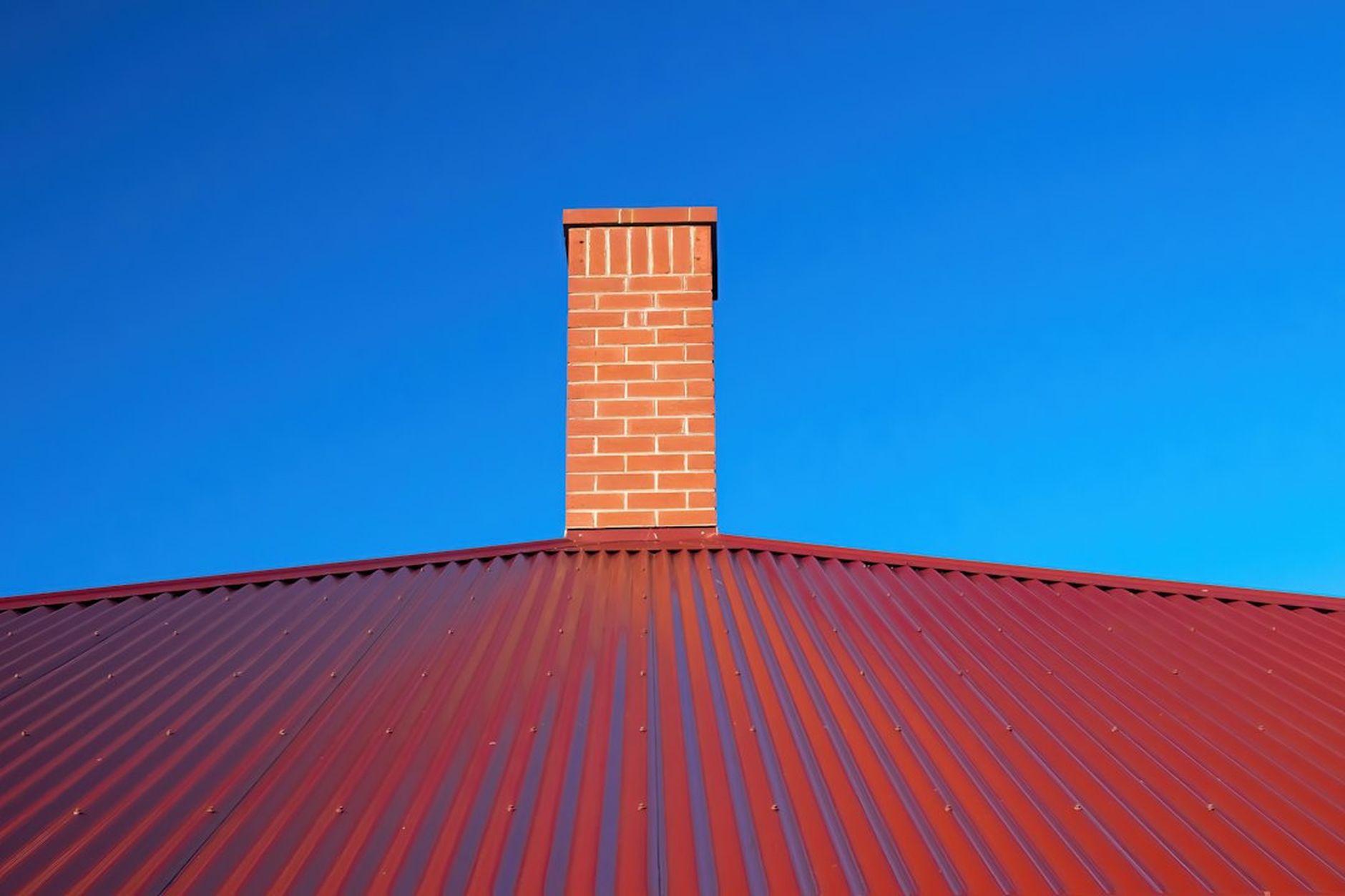
The flue liner is the part of a chimney nobody looks at and everybody depends on. In most older brick chimneys in Bell Gardens it is a column of square or oblong clay tiles stacked end to end, with a mortar joint every couple of feet. Smoke and gas exhaust travel up the inside of those tiles; the brick around them is only a shell. When a tile splits or a joint opens, heat and exhaust reach the brick, and through the brick, the wood framing next to it.
This post is about money: what a new liner costs to put in, what has to be known before anyone can give a real figure, and why Thorne Chimney Sweep does not print one liner price on this site.
Why there is no printed liner price
Liner jobs swing more than any other work we do, and the figure depends on facts that only appear once the flue has been measured and filmed.
Height. Liner is bought and fitted by the foot, from the smoke chamber to the top of the crown. A one-storey stack and a two-storey stack are different jobs.
The old flue's size and shape. A round stainless liner has to pass down through the existing tiles. If the clay flue is small, offset or bent near the smoke chamber, the liner may need to be oval, or the old tiles broken out first.
What it vents. A wood fireplace, a gas insert, a gas log set and a water heater each call for a different diameter, and some call for a heavier alloy or an insulating wrap.
Damage on the way down. Collapsed tiles, a cracked smoke chamber or a crown that has to be cut back for the new top plate all add hours.
So liners get priced in writing once the camera has been up. Any number before that is a guess, and a guess on a liner is usually wrong by a lot.
What the $380 scan has to show
Our Level 2 scan is $380, and it settles the liner question. The camera head rides up the flue on a rod while we watch the monitor and record. Tile by tile, this is what we are looking for.
Vertical cracks. A thin dark line running up through the wall of a tile, often from a chimney fire or from fast, hot fires in a cold flue. Soot sometimes streaks out of the crack onto the face.
Open joints. Where the mortar between two tiles has rinsed out or was never filled. On screen it is a bright slot when the light catches it, or a black band of soot on the brick behind.
Offsets. One tile sitting out of line with the next, a step in the picture. That is usually ground movement. The 1987 Whittier Narrows quake and the 1994 quake both left offsets in chimneys across this corner of the county.
Flaking. The tile face peeling off in thin sheets. We see it most where a gas appliance has been venting into an oversized clay flue and the exhaust has condensed on the walls.
Every frame we keep is numbered and marked with its height above the firebox. You see exactly what we saw.
Three outcomes and what each costs
Sound tiles, one or two open joints. Sometimes the joints can be repaired without a full liner. It is the least costly path when the footage supports it, and the quote says so plainly.
Several cracked tiles, or a flue scarred by a fire. A stainless liner sized to the appliance, run from the smoke chamber to a new top plate and cap. Wood-burning flues usually get an insulating wrap as well. This is the liner job we do most.
A flue too damaged or too small to take a liner. The old tiles are broken out and the liner set in, or on some stacks a rebuild from the roofline comes out ahead. Our post on rebuild or reline weighs the two.
What a written liner quote lists
Each liner quote from us names the liner type and diameter and the appliance it is sized for, the length, the top plate and cap, any wrap, tile removal where it is needed, any crown work around the new top plate, and a last camera pass once the liner is in. A cap on its own is quoted after we measure. When a liner goes in, the cap sits inside that line rather than as an extra. Size, material and the chimney itself set the price.
If a Level 1 or a home inspector has already flagged your flue, book the camera scan and get the liner priced in writing. Until you say yes to a quote, the scan is the only charge.
Liners and gas inserts
Plenty of liner calls in Bell Gardens start with an insert. A gas insert needs its own liner, matched to its exhaust collar, and our insert price includes that run: $2,700 to $5,450 installed. If you are relining a wood fireplace you hardly ever light, price the insert alongside it, because it can come in below a wood reline plus new doors and a new damper. The gas insert sizing post explains how we match the two.
When a liner stops being optional
A flue the camera shows cracked right through should not be used until it is repaired or relined. A gas appliance venting into a flue several sizes too big slowly eats the flue from inside and can spill exhaust into the room on a cold start. And a house sold with a damaged flue will usually hear about it from the buyer's side; our home sale inspection page covers who receives that report.
The work itself is described on our liner installation page, and the scan on the Level 2 inspection page.
Start with the flue
Flues are what we look at all day. Visit the contact page with your address and what the fireplace burns, and we will set up the scan that tells you whether you need a liner at all.
See Your Own Flue on Camera
Thorne runs a camera up the chimney, shows you each tile joint and liner seam, and writes up what the flue needs before any price is set. Crews work from Bell Gardens across Lynwood, Norwalk, the City of Los Angeles and the wider county.